EXPLORE PLACES
Places that make us pay attention
A place tells you a lot about what its creators believe about people.
We look at streets, neighborhoods, shopping districts, hotels, airports, restaurants, cultural destinations, stadium districts and mixed-use developments, to admire them, be inspired, and understand them.
DESTINATION RETAIL
When shopping becomes a reason to travel
The world's leading retail destinations are increasingly behaving less like shopping centers and more like cultural destinations.
The most interesting examples combine flagship retail with dining, hospitality, art, architecture, wellness, entertainment and public space, creating environments where the transaction is only one part of the experience.
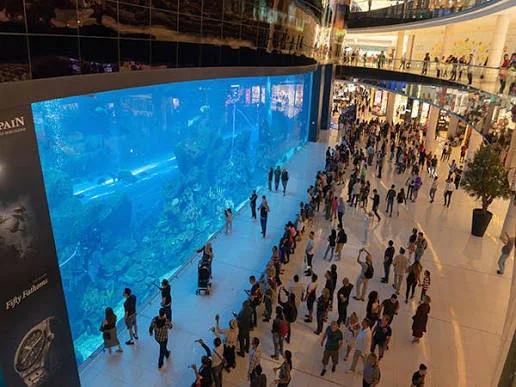
Dubai, UAEDubai Mall
Dubai Mall, situated at the heart of it all in Downtown Dubai, is the most visited retail and lifestyle destination in the world - welcoming over 100 million visitors every year.
A mall like no other, Dubai Mall has more than 1,200 retail outlets, including two anchor department stores, along with over 200 international dining experiences and a wide range of entertainment and leisure attractions for families to enjoy.
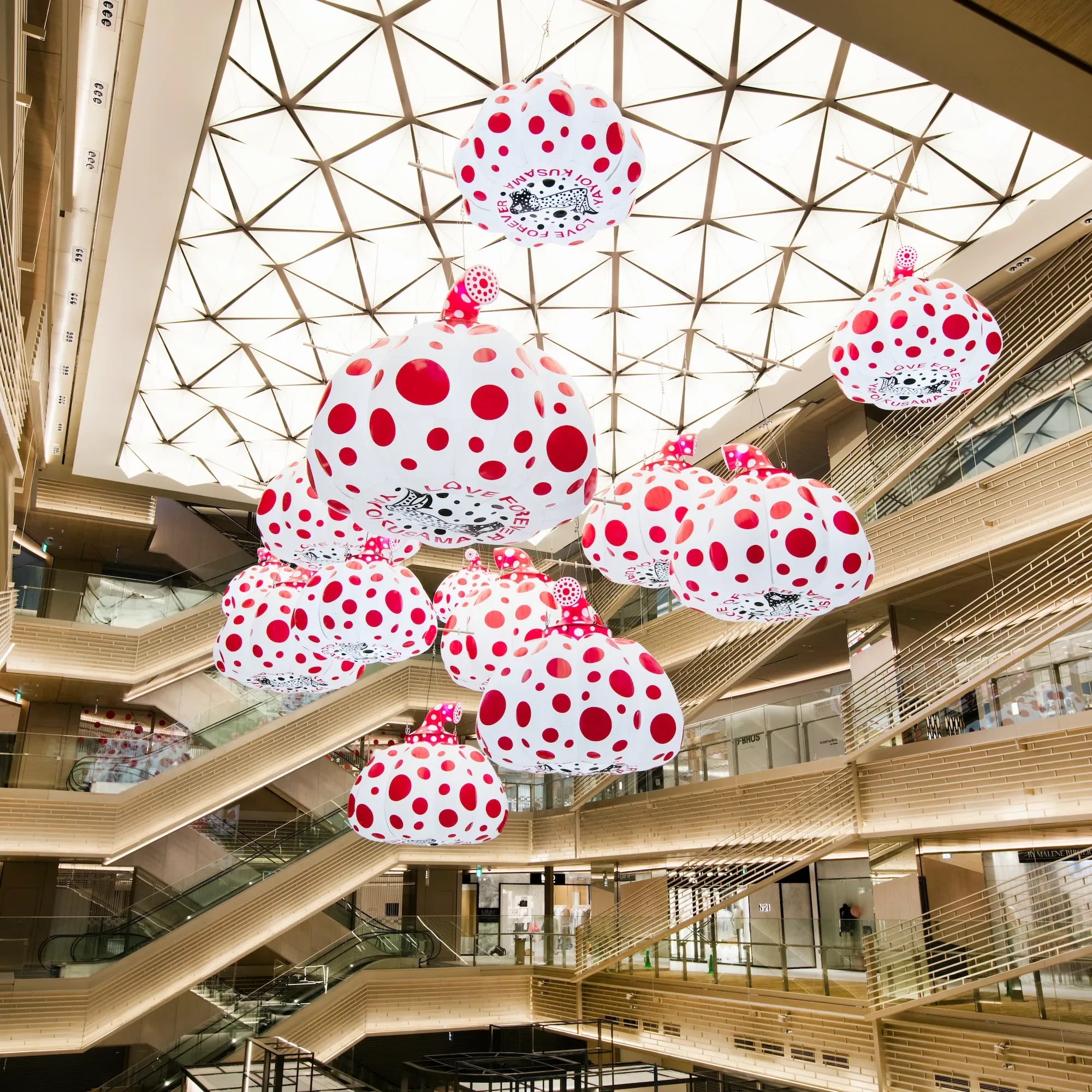
Tokyo, JapanGinza Six
GINZA SIX, a large-scale urban redevelopment project, is the largest commercial complex in the Ginza area. The site merges the former site of the Matsuzakaya Department Ginza Store and a neighboring block for integrated development. In addition to a large-scale retail complex, offices, and cultural exchange facilities, the site includes a bus terminal, and rooftop garden, The site offers local convenience, improved comfort, and leading disaster preparedness.
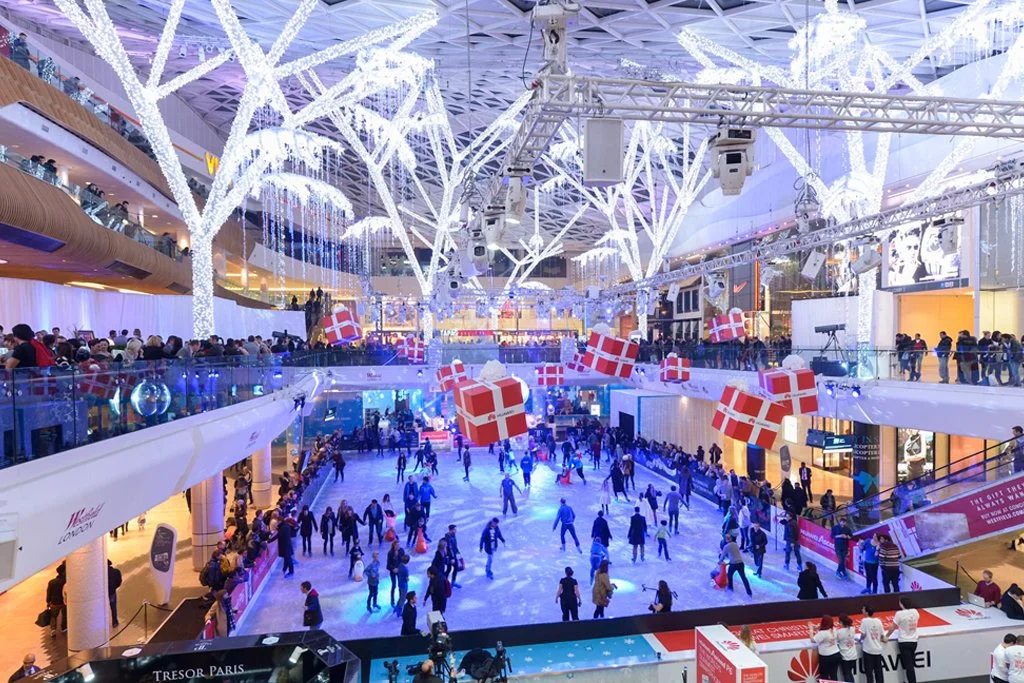
London, UKWestfield London
Westfield London is a massive 2.6 million squre foot shopping and lifestyle destination locateed in White City, West London. Opened in 2008 and expanded in 2018, it features over 400 stores, ranging from high-street favorites to luxury brands in "The Village", plus dozens of restaurants and entertainment venues.
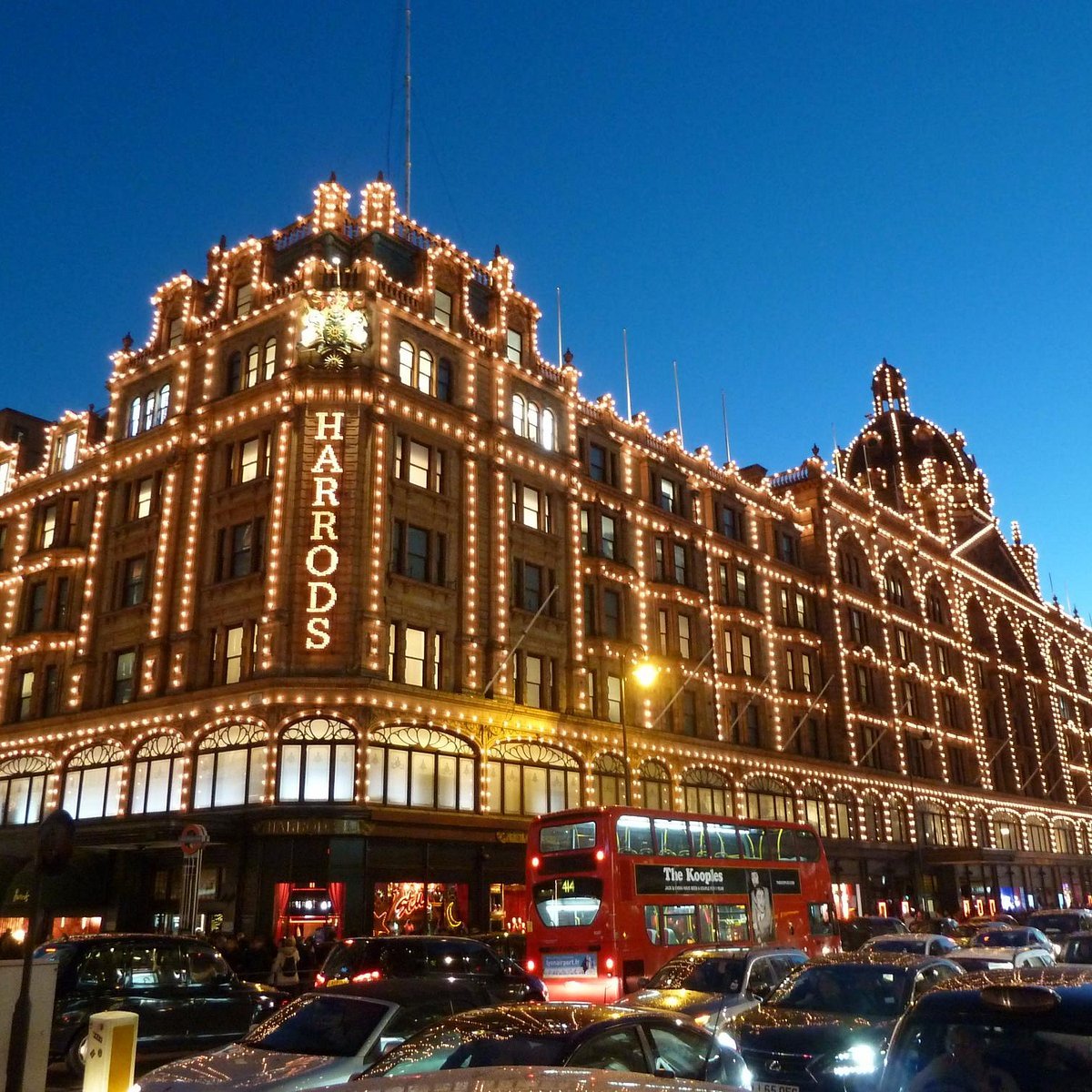
London, UKHarrods
Harrods is a world famous luxury department store located on Brompton Road in Knightsbridge, London. Spanning 1.1 million square feet across seven floors with over 300 departments, it is the largest department store in Europe and a major international tourist destination known for high-end fashion, fine food halls, and grand architecture.
What we're asking“If consumers can buy almost anything online, what makes a physical retail destination worth leaving home for?”
MIXED-USE DESTINATIONS
The most compelling mixed-use developments aren't collections of uses. They're ecosystems.
Retail + residential + office + hotel doesn't automatically create a destination. The magic happens when those uses reinforce one another and create an environment people want to inhabit.
When the destination is the product
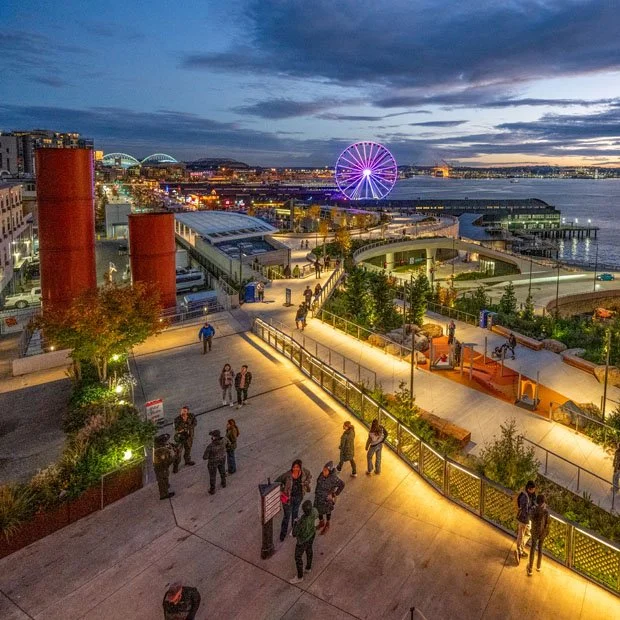
Seattle, USASeattle Waterfront
The transformation of the Seattle Waterfront began with the decision to remove the aging Alaskan Way Viaduct, paving the way for a revitalized and people-centered space. Today, the central waterfront flourishes with vibrant public art, inviting gathering areas, recreational opportunities, and dynamic cultural programming, creating a destination that truly puts the community first.
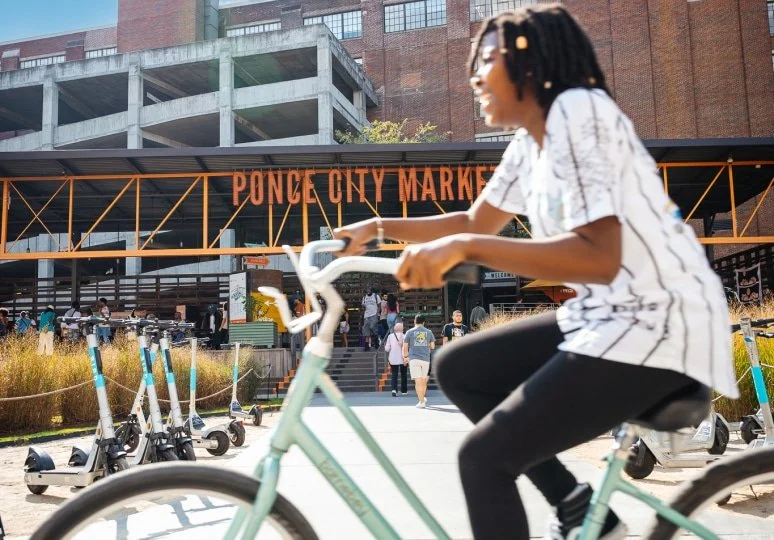
Atlanta, USAPonce City Market
In 2020, Jamestown announced Ponce City Market’s Phase 2 expansion, which will add 500,000 square feet of office and living space, including 400 “hospitality living” units, which are somewhere between a hotel and an apartment, with amenities like housekeeping and laundry service. By 2023, Signal House, a 21-story, 162-unit residential rental community, featuring 155,198 SF of living space with 3,331 SF of BeltLine-facing retail welcomed the first residence.
Singapore, Singapore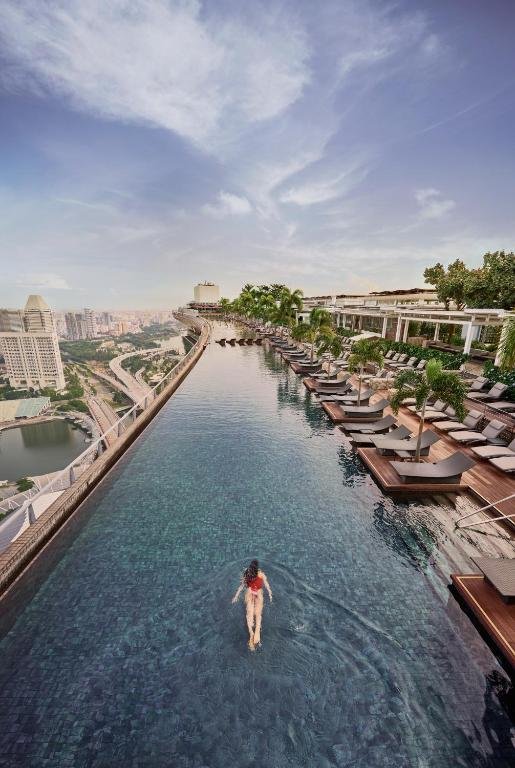
Marina Bay Sands
Marina Bay Sands is a massive integrates resort in Singapore featuring a luxury hotel, a giant rooftop SkyPark with an infinity pool, The Shoppes at Marina Bay Sands mall, an ArtScience Museum, and a casino.Opened in 2010 and designed by architect Moshe Safdie, it is a major global landmark.
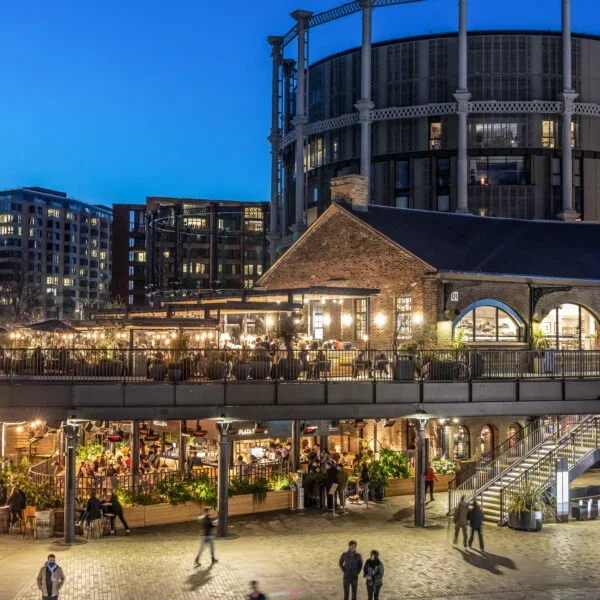
London, UKKings Cross
King’s Cross is one of the largest and most successful redevelopments in London. Over the past 20 years, what was an underused industrial site has been transformed and rejuvenated with new streets, squares and parks, homes, shops, offices, galleries, bars, restaurants, schools, and even a university.
What we're asking“When does mixed-use become more than the sum of its parts?”
ARENA DESTINATIONS
When the destination is more than sport and entertainment.
Sport is becoming one of the most powerful catalysts for destination development.
Deloitte's 2026 sports outlook describes the evolution clearly: stadiums are becoming year-round entertainment districts, while sports organizations increasingly extend into media, hospitality, real estate and commerce. JLL similarly identifies sports-anchored mixed-use as a long-term value strategy, with residential, retail, hospitality and office uses creating activity beyond game days.
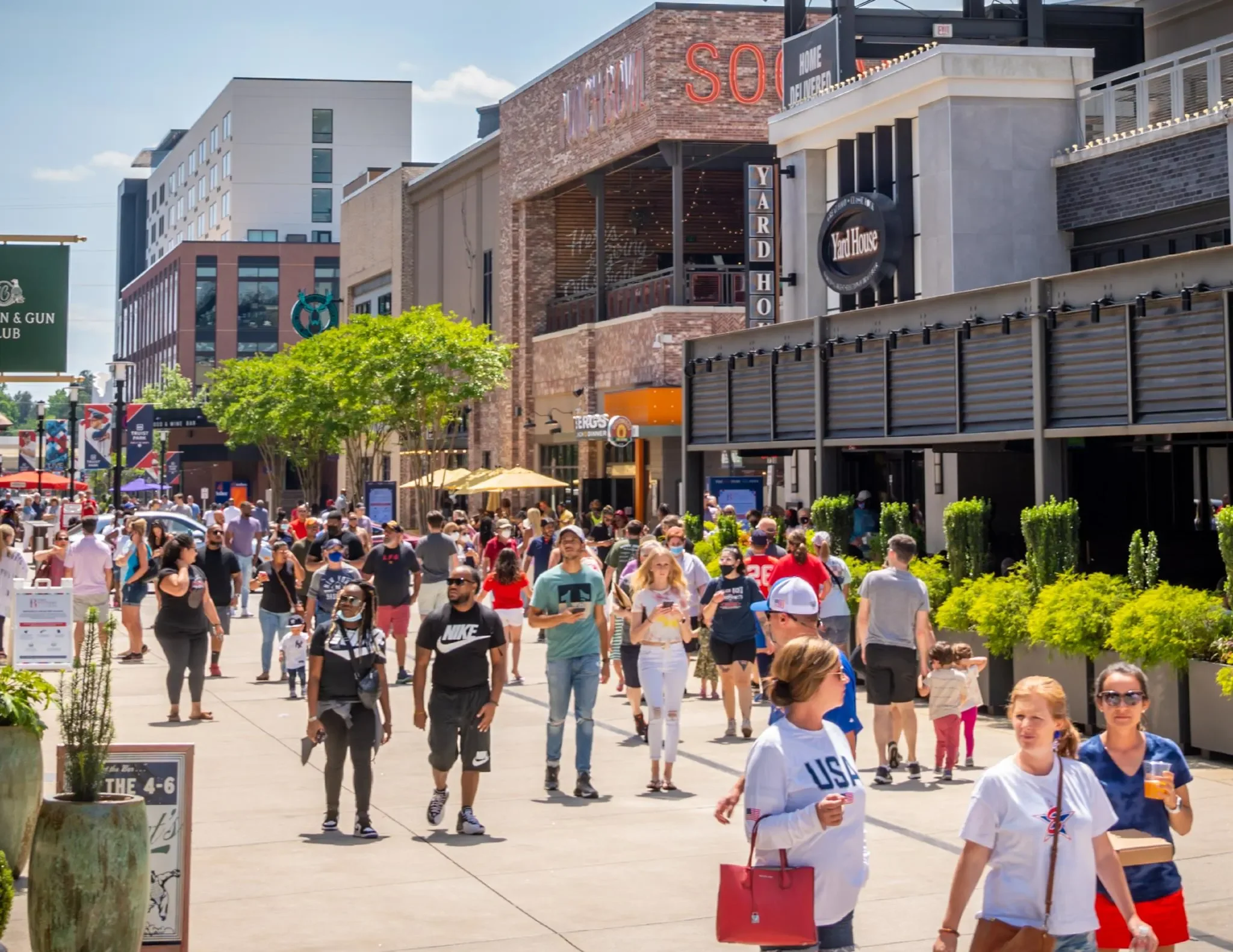
Atlanta, USAThe Battery Atlanta
One of the clearest examples of the stadium becoming the anchor for a broader lifestyle district rather than an isolated venue.
A fully integrated lifestyle destination with a rhythm and pace that reflects the local flavor and flair of Atlanta.
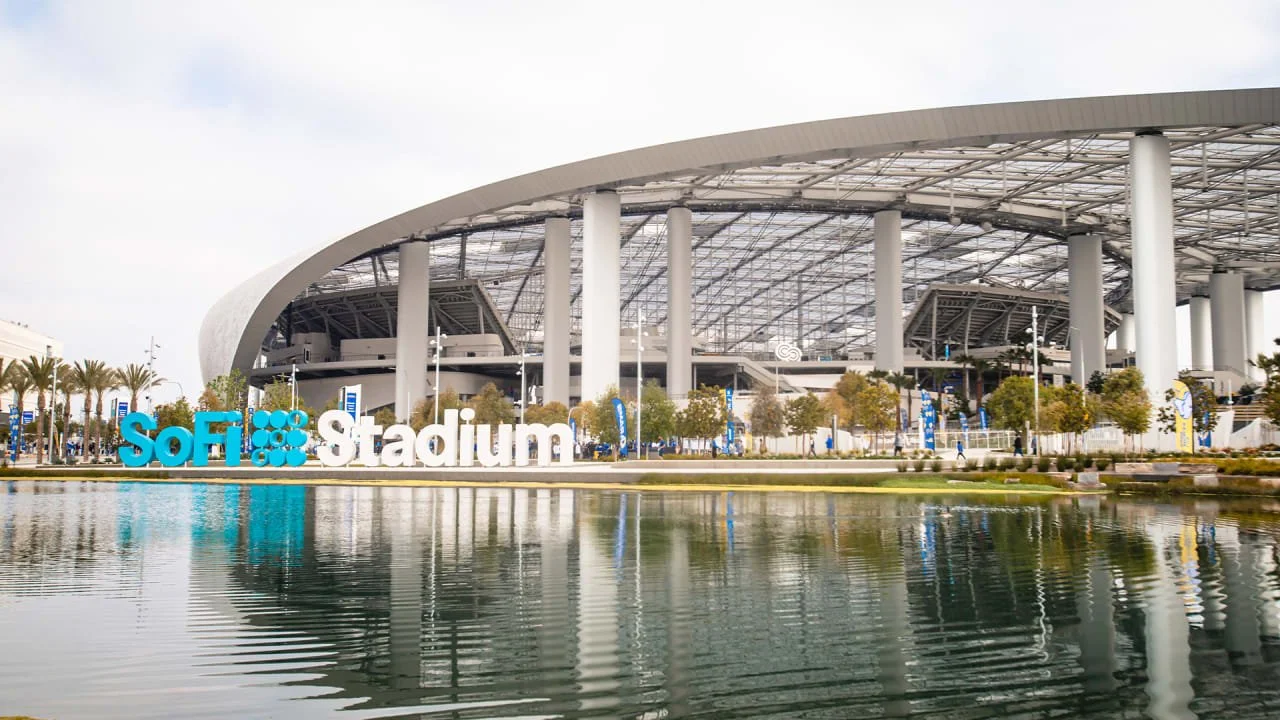
Inglewood, USAHollywood Park
SoFi Stadium, YouTube Theater, Cosm, retail, hospitality, public space and technology forming a 365-day destination. HKS describes it as a live demonstration of architecture, urban planning and technology converging in a sports and entertainment district.
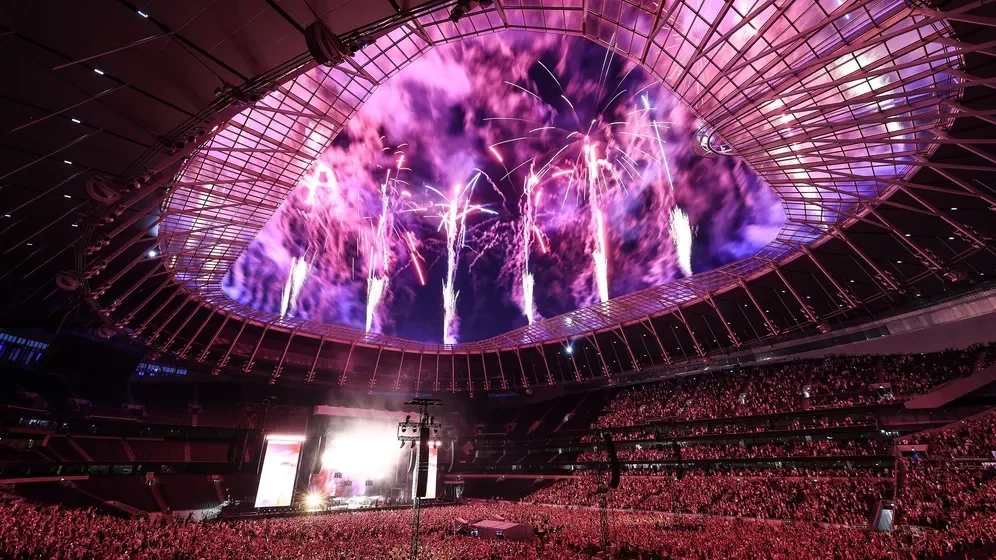
London, United KingdomTottenham Hotspurs Stadium
A useful case study in designing a stadium as an entertainment platform, with premium hospitality, NFL, concerts and destination experiences extending its use beyond football.
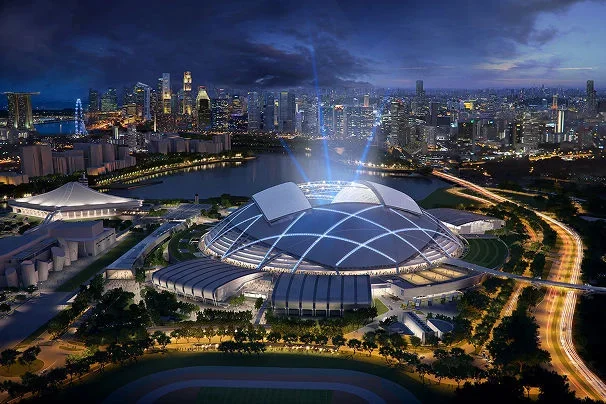
Singapore, SingaporeThe Kallang
An evolving sports and lifestyle precinct integrating sport, entertainment, community and mixed-use development.
Deloitte specifically identifies The Kallang alongside The Battery Atlanta and ICE District as examples of sports districts demonstrating the potential of the model.
What we're asking“What happens when the stadium becomes the heartbeat of a destination rather than an event within it?”
IMMERSIVE DESTINATIONS
When experience becomes the attraction.
The next generation of entertainment destinations is blurring the line between venue, technology, content and physical experience.
The most interesting examples don't simply put a screen inside a building. They make the physical environment part of the story.
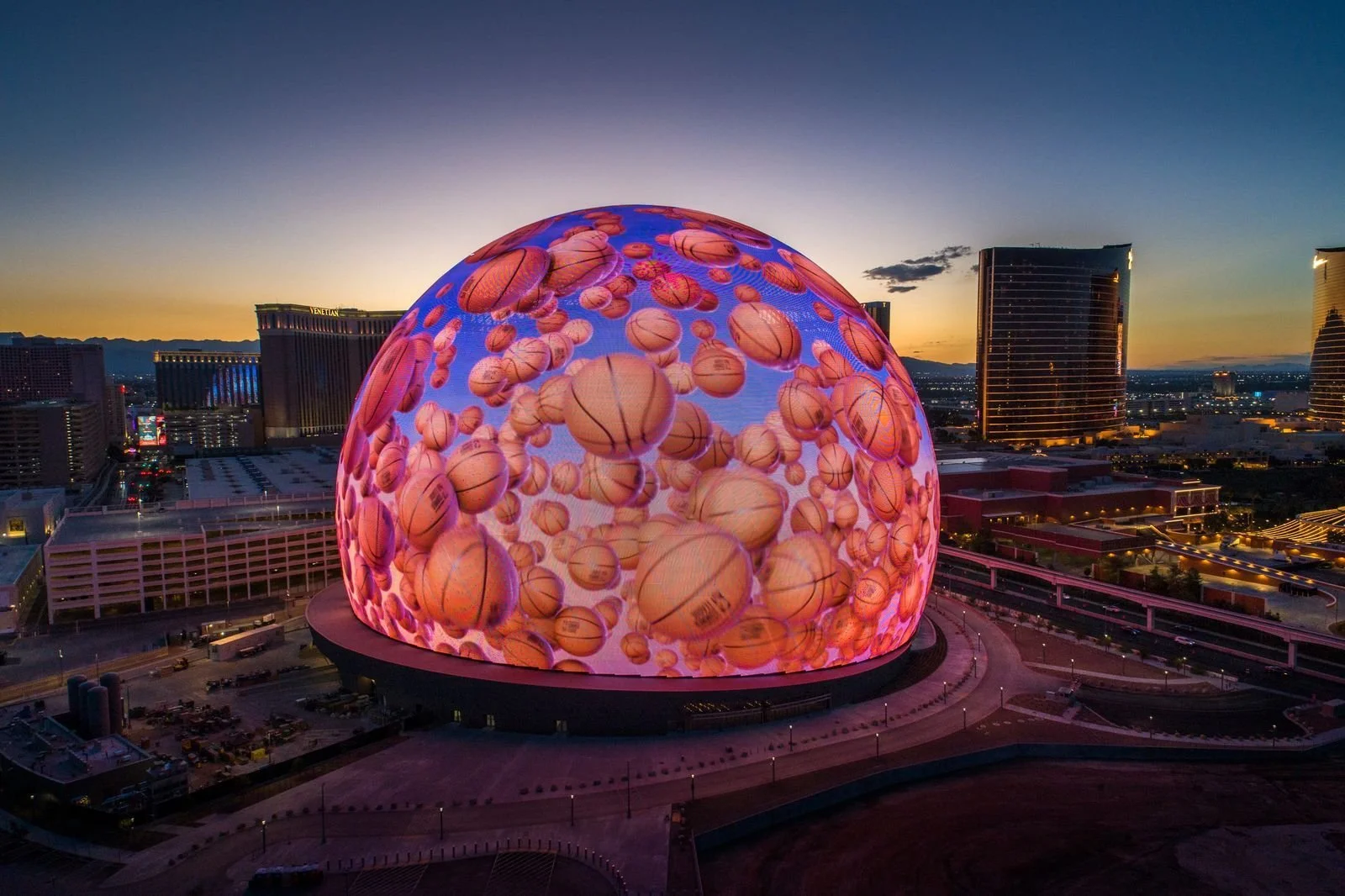
Las Vegas, USASphere
A radical example of technology becoming architecture and the venue itself becoming the entertainment product.
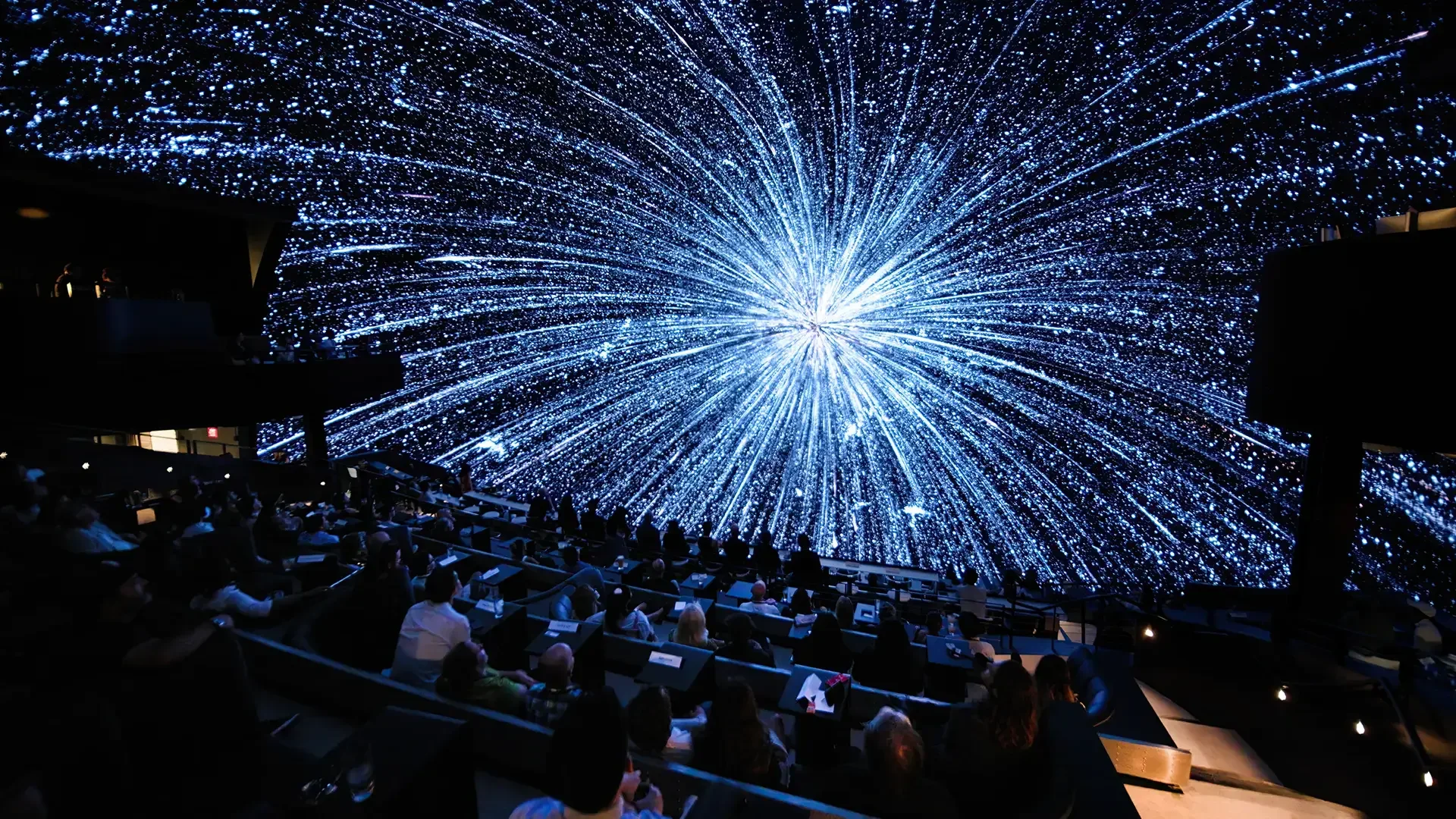
Los Angeles, USACosm
An emerging model for immersive sports and entertainment where massive-format shared reality changes how audiences experience live events.
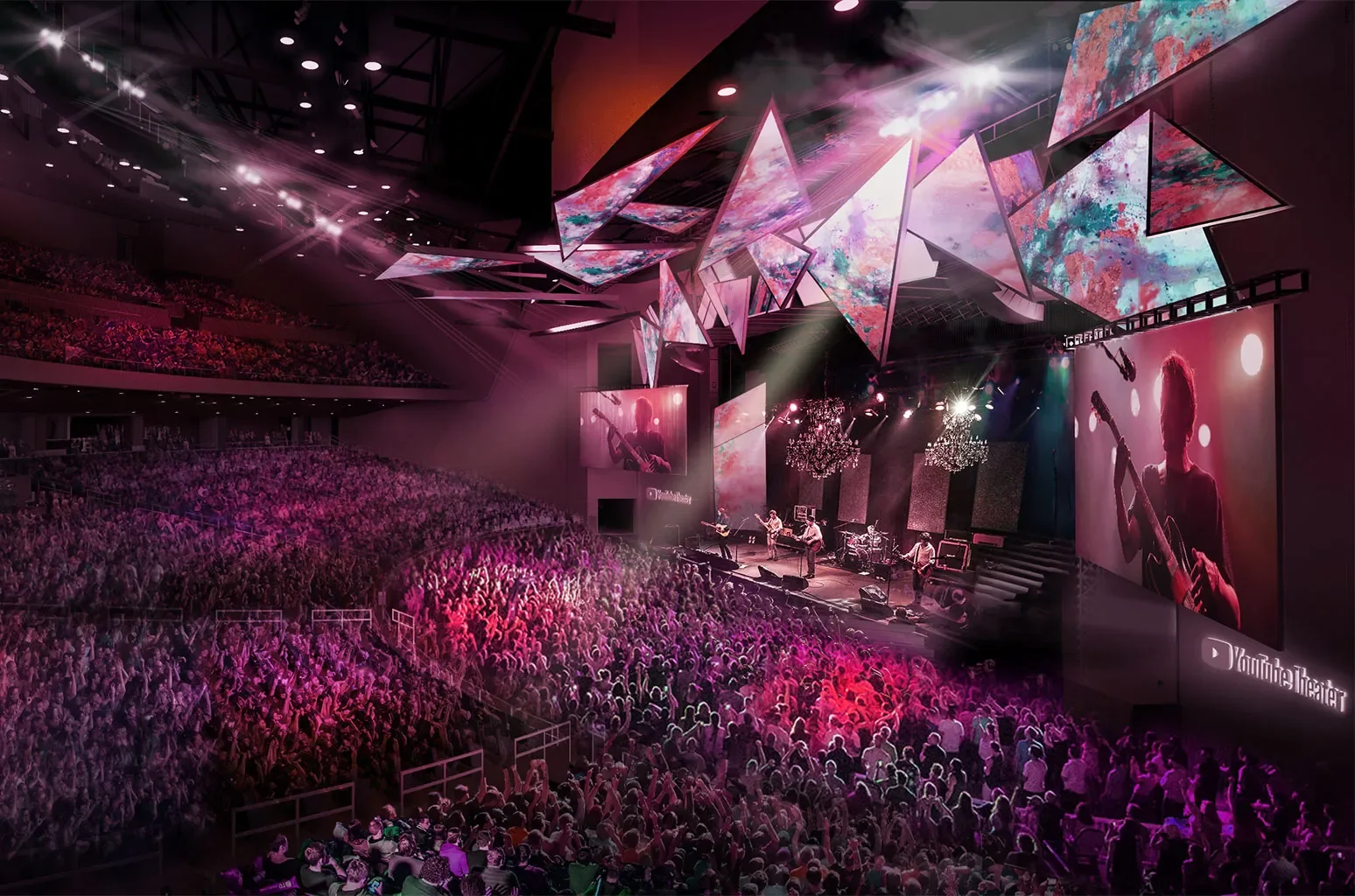
Los Angeles. USAYouTube Theatre
An example of a smaller-scale entertainment venue integrated into a much larger destination ecosystem.
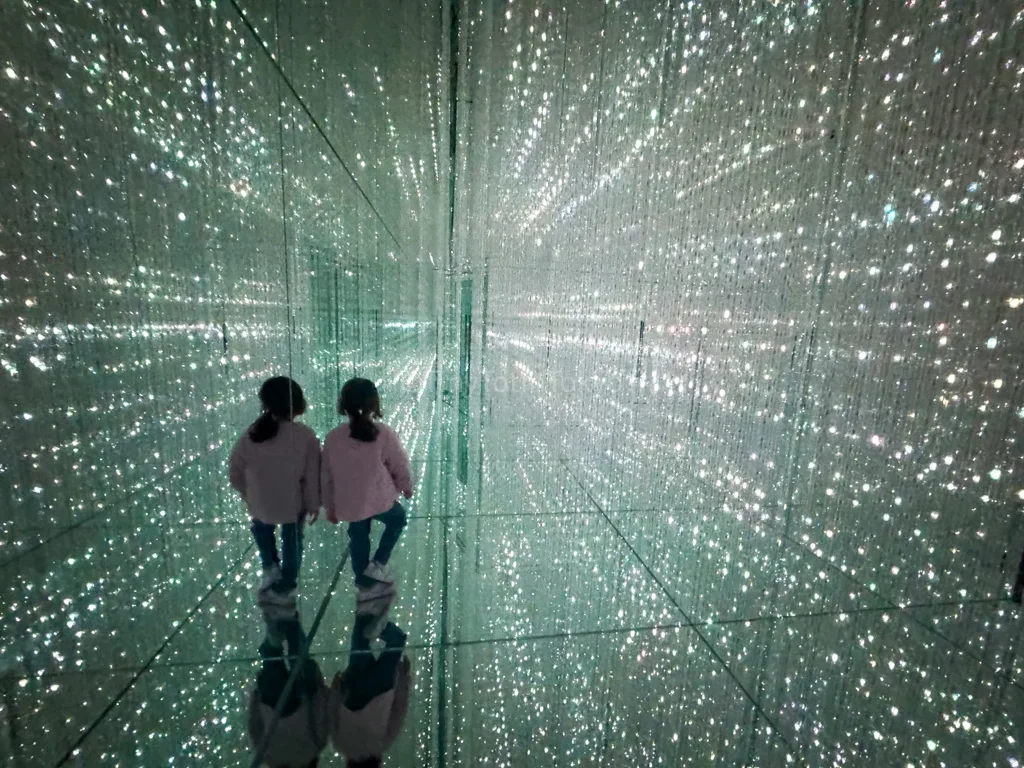
Tokyo, JapanteamLab Borderless
A particularly interesting example of art, technology and physical space merging to create an experience that can't simply be replicated through a screen at home.
What we're asking“When technology becomes invisible, does the experience become more human?”
The Cut Above Place Test
-
Does the place create a compelling reason to visit?
-
Does the experience create dwell time? Top tip for the developers out there - don’t underestimate the importance of good public restroom experiences, especially for those visiting with children. And remember, Dad’s need to take kids to the restroom too, even babies!
-
Does the environment naturally create commercial opportunity?
-
Is there enough variety, relevance or emotional connection to create repeat visitation?
-
Does the experience create social currency?
-
What cannot easily be replicated elsewhere?
-
What is the transferable strategic lesson?
EXPLORE MORE
-
![]()
People
PEOPLE WORTH LISTENING TO
The people shaping our thinking about leadership, behavior, experience, cities, brands and growth.
We're interested in people who challenge assumptions, connect seemingly unrelated ideas and make us see familiar things differently.
-
![]()
Research
EVIDENCE WORTH EXPLORING
We follow research that helps us understand changing consumer behavior, economic forces, technology, cities, culture, retail, hospitality and the future of work.
-
![]()
Brands
BRANDS WORTH WATCHING
The best brands don't simply sell something. They create preference. They make an experience easier, more meaningful, more desirable or more memorable. -
![]()
Culture
CULTURE IS COMMERCIAL INTELLIGENCE
Culture tells us what people are beginning to care about before conventional market research always catches up. -
![]()
Futures & Foresight
A LOOK AHEAD & AROUND THE CORNER
We don't believe anyone can predict the future.But we do believe leaders can become better at seeing the signals. The futurists we follow help us distinguish between a passing trend and a meaningful shift.